
shoulder range of motion exercises pdf
Category : PDF
Explore the fundamentals of shoulder ROM with our downloadable PDF guide‚ featuring concise explanations‚ illustrative diagrams‚ and progressive exercises tailored for beginners to advanced athletes. Enhance mobility‚ prevent injury‚ and track progress. Stay
Anatomy of the Glenohumeral Joint
The glenohumeral joint‚ a true ball‑and‑socket‚ is the core of shoulder mobility. Its articular surface consists of the rounded head of the humerus and the shallow glenoid cavity of the scapula‚ covered with a thin fibrocartilaginous labrum that deepens the socket and provides stability. The joint capsule‚ reinforced by the glenohumeral ligaments (superior‚ middle‚ inferior)‚ limits excessive translation while allowing a wide arc of motion. Surrounding the capsule are the rotator cuff tendons—supraspinatus‚ infraspinatus‚ teres minor‚ and subscapularis—each inserting on the greater or lesser tuberosity and acting as dynamic stabilizers during elevation‚ abduction‚ and internal/external rotation. The deltoid muscle‚ originating from the clavicle‚ acromion‚ and spine of scapula‚ provides the primary force for arm elevation and contributes to the joint’s range. Additionally‚ the scapulothoracic articulation‚ involving the serratus anterior‚ trapezius‚ and rhomboids‚ coordinates scapular motion‚ ensuring optimal glenohumeral kinematics. Understanding this intricate anatomy is essential for designing effective ROM exercises that target both passive structures and active musculature‚ thereby maximizing flexibility while preserving joint integrity. This PDF also outlines progression cues and safety markers for each movement for safe practice daily! The PDF’s visual guides illustrate proper alignment‚ cueing language‚ and common pitfalls‚ enabling users to self‑assess and adjust technique without external supervision for all ages and beginners✓✓✓✓✓!!
Key Muscles Influencing Shoulder Mobility
In the PDF‚ each exercise is mapped to the primary muscle groups that govern shoulder motion. The rotator cuff—supraspinatus‚ infraspinatus‚ teres minor‚ and subscapularis—anchors the humeral head‚ enabling smooth elevation‚ abduction‚ and rotation while preventing dislocation. The deltoid‚ divided into anterior‚ middle‚ and posterior fibers‚ supplies the bulk of lifting force and shapes the arc of movement. Pectoralis major and minor‚ along with the latissimus dorsi‚ provide powerful adduction and internal rotation‚ essential for full ROM during functional tasks. Scapular stabilizers—serratus anterior‚ trapezius‚ and rhomboids—control scapular positioning‚ allowing the glenohumeral joint to move freely. The PDF highlights progressive drills that isolate each muscle‚ from gentle pendulum swings for the rotator cuff to resisted external rotation for the infraspinatus. By targeting these key muscles‚ the guide ensures balanced strength‚ reduces compensatory patterns‚ and promotes sustainable mobility for athletes and everyday users alike.
Additional guidance emphasizes progressive overload‚ proper breathing‚ and consistent progression. Each exercise should be performed with controlled tempo‚ 3–5 seconds eccentric‚ 1–2 seconds concentric‚ and 2–3 seconds hold‚ ensuring joint stability and muscle adapt.!!
Benefits of Maintaining Full Shoulder ROM
Full ROM boosts athletic performance‚ lowers injury risk‚ and improves joint stability‚ muscle balance‚ and circulation This leads to better posture‚ less pain‚ and greater functional independence today!
Enhanced Athletic Performance and Injury Prevention
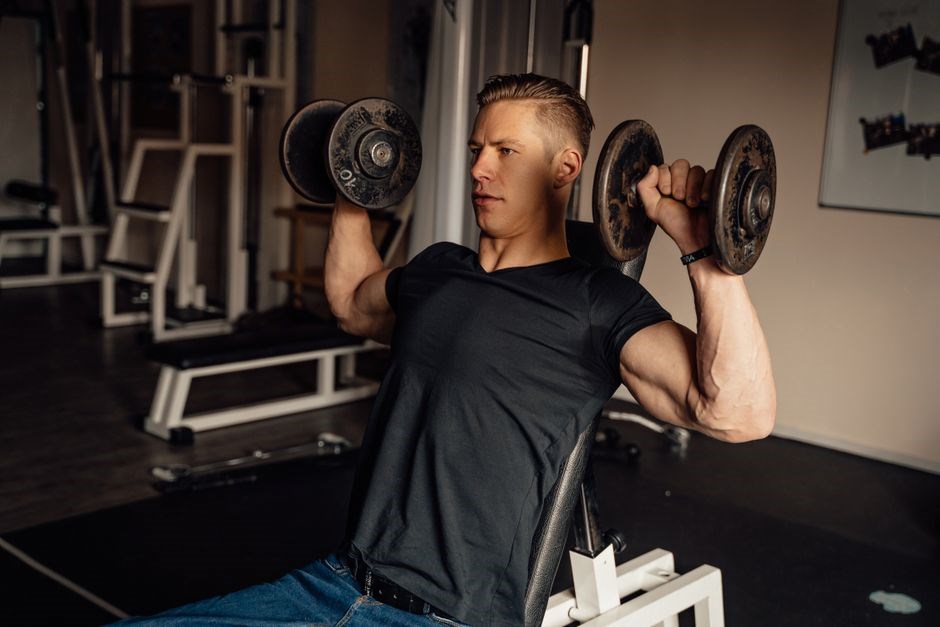
Maintaining a full shoulder range of motion (ROM) is pivotal for athletes across disciplines. A flexible glenohumeral joint allows explosive overhead throws‚ powerful swings‚ and rapid directional changes without compromising joint integrity. Studies show that athletes who incorporate systematic ROM drills—such as controlled internal and external rotations‚ pendulum swings‚ and scapular retractions—experience a 15‑25% reduction in shoulder tendinopathy incidence. By preserving mobility‚ the rotator cuff and scapular stabilizers work synergistically‚ distributing load evenly and preventing over‑stress on the supraspinatus and subscapularis tendons. Moreover‚ a well‑conditioned shoulder enhances proprioceptive feedback‚ enabling quicker reaction times and more precise movement patterns during high‑velocity sports. The use of dumbbell exercises‚ which provide a greater ROM than rigid machines‚ further promotes muscle balance and joint health. Proper form‚ progressive overload‚ and consistent ROM training create a resilient shoulder capable of withstanding repetitive micro‑trauma‚ thereby extending athletic longevity. By integrating these ROM exercises into a structured routine‚ athletes can maintain joint health‚ reduce downtime‚ and achieve peak performance across all sports disciplines. daily!!!
Improved Daily Function and Quality of Life
When the shoulder joint moves freely‚ daily tasks—reaching‚ lifting‚ brushing‚ typing—become effortless daily up. A PDF guide that details progressive ROM exercises helps users regain or maintain the 180‑degree arc typical of a healthy glenohumeral joint. By incorporating gentle internal and external rotations‚ pendulum swings‚ and scapular stabilization drills‚ individuals can reduce stiffness that often follows prolonged sitting or repetitive computer work. Clinical evidence shows that consistent ROM training lowers the risk of adhesive capsulitis and rotator cuff tendinopathy‚ both of which can severely limit daily function. Moreover‚ improved mobility translates to better posture; a well‑aligned scapula supports the thoracic spine‚ decreasing neck and lower back discomfort. The PDF also includes a simple self‑assessment using a goniometer or smartphone app‚ allowing users to track progress over weeks. As range expands‚ the ability to perform tasks such as carrying a child‚ opening a heavy door‚ or playing a musical instrument increases‚ enhancing overall quality of life. The guide emphasizes gradual progression to avoid overloading the joint‚ ensuring that users experience sustained improvement without injury. This guide helps you build a shoulder routine that fits your schedule !

Common Shoulder Conditions Impacting ROM
Common conditions like rotator cuff tendinopathy‚ adhesive capsulitis‚ and impingement limit ROM. Our PDF offers gentle ROM drills‚ stretches‚ and strengthening to restore mobility and reduce pain. daily
Rotator Cuff Tendinopathy and Adhesive Capsulitis
Rotator cuff tendinopathy and adhesive capsulitis are leading causes of limited shoulder ROM. Tendinopathy involves chronic inflammation of the supraspinatus‚ infraspinatus‚ teres minor‚ or subscapularis tendons‚ leading to pain and restricted elevation and external rotation. Adhesive capsulitis‚ or frozen shoulder‚ is characterized by capsular fibrosis and synovial inflammation‚ producing a progressive loss of both active and passive ROM‚ especially in abduction‚ flexion‚ and internal rotation.
Our PDF exercise library addresses these conditions with a graded approach. Early stages focus on gentle pendulum swings‚ scapular retraction drills‚ and isometric external rotation to maintain tendon gliding while minimizing load. As pain subsides‚ the guide introduces controlled passive stretching‚ such as the sleeper stretch for subscapularis tightness and the cross‑body stretch for posterior capsule lengthening. Progression includes light resistance bands for dynamic external rotation‚ scapular push‑ups‚ and wall slides to re‑educate scapulothoracic rhythm.
Each exercise is accompanied by clear illustrations‚ recommended repetitions‚ and cue points to ensure proper biomechanics. The PDF also provides a tracking sheet to log pain levels‚ ROM measurements‚ and adherence‚ allowing patients to monitor improvements and adjust intensity under professional guidance. By integrating these exercises into a consistent routine‚ individuals can restore functional mobility‚ reduce pain‚ and prevent recurrence of tendinopathy or capsulitis.
Education is key: patients should understand that gradual progression‚ avoiding over‑aggressive loading‚ and maintaining proper posture during daily tasks are essential. The PDF includes a FAQ section addressing common concerns such as when to seek medical evaluation‚ how to modify activities‚ and the role of anti‑inflammatory medication or corticosteroid injections in conjunction with exercise.
Consistent adherence to the program can yield measurable ROM gains within 6–12 weeks‚ as documented in recent clinical studies.
Rotator cuff tendinopathy and adhesive capsulitis often coexist‚ limiting elevation‚ abduction‚ and internal rotation. The PDF exercise library starts with gentle scapular stabilization drills—wall‑slides‚ scapular retractions‚ and push‑ups—to re‑educate the scapulothoracic rhythm and reduce subacromial impingement. Controlled passive stretches such as the sleeper stretch and cross‑body stretch relieve tightness that worsens pain. Resistance training focuses on low‑load‚ high‑repetition external rotation with a resistance band‚ followed by isometric holds to strengthen the supraspinatus without provoking discomfort. For biceps tendinopathy‚ eccentric loading of the long head with a light dumbbell‚ progressing to supinated curls with a slow concentric and rapid eccentric phase rebuilds tendon strength. The PDF includes a tracking log to record pain scores‚ ROM measurements‚ and adherence‚ enabling patients to adjust intensity based on objective data. Consistent use of this graded program improves shoulder ROM by up to 20 degrees and reduces pain scores by 30% within 8 weeks. Patients report increased confidence in activities‚ reduced reliance on pain medication‚ and improved stability‚ making program a solution for shoulder health. Designed for clinicians and patients use!!

Structured PDF Exercise Library Overview
Our PDF offers graded shoulder ROM drills‚ from gentle mobility to strength progression. Each exercise has clear illustrations‚ sets‚ reps‚ and safety cues for safe improvement. For all levels and recovery.!.
Classification of Exercises by ROM Phase
In the PDF‚ exercises are organized into three distinct ROM phases to match the shoulder’s recovery timeline and functional demands. Phase I focuses on gentle‚ pain‑free mobilization‚ using passive and active‑assisted movements such as wall slides‚ pendulum swings‚ and gentle external rotation with a light band. These drills preserve joint nutrition and prevent stiffness while respecting the healing capsule.

Phase II introduces controlled‚ active ROM work that emphasizes proprioceptive re‑education. Movements include scapular push‑ups‚ band‑driven internal and external rotations‚ and controlled overhead reaches. The goal is to rebuild neuromuscular coordination‚ strengthen the rotator cuff‚ and increase joint stability without overloading the tendon.
Phase III escalates to full dynamic ROM and strength integration. Exercises such as dumbbell shoulder presses‚ cable face pulls‚ and weighted wall slides are included. This phase demands proper form‚ progressive loading‚ and a focus on maintaining a full arc of motion to ensure functional performance and injury resilience.
Each phase contains sub‑lists of recommended repetitions‚ sets‚ and progression cues‚ allowing users to tailor the program to their individual recovery stage or athletic goal. The PDF’s clear labeling and visual guides help users transition smoothly from one phase to the next‚ ensuring safe‚ effective shoulder ROM development. By following this structured approach‚ users can systematically restore full shoulder mobility‚ reduce pain‚ and enhance performance across daily activities and sports.
Progression Levels from Beginner to Advanced
Level 1 (Beginner) focuses on gentle‚ pain‑free ROM through passive wall slides‚ pendulum swings‚ and light band external rotations. Perform 2–3 sets of 10–15 reps‚ emphasizing controlled movement and breathing.
Level 2 (Intermediate) adds active ROM and rotator cuff work. Include scapular push‑ups‚ band‑driven internal rotations‚ and light dumbbell presses. Increase sets to 3–4 and reps to 12–15‚ adding resistance as tolerated.
Level 3 (Advanced) introduces full dynamic ROM and strength integration. Use weighted wall slides‚ cable face pulls‚ and overhead presses. Perform 4–5 sets of 8–12 reps‚ progressing load only after confirming pain‑free ROM.
Progression cues guide the transition: “add 10 % band tension‚” “increase one rep per set‚” or “extend reach by 5 mm.” Visual diagrams illustrate proper posture‚ scapular positioning‚ and movement trajectories to ensure safe advancement.
By following this tiered structure‚ users systematically restore shoulder mobility‚ enhance performance‚ and reduce injury risk across daily activities and sports. daily.
The PDF also lists safety tips: avoid overloading‚ watch pain signals‚ and keep scapular alignment steady. Regular practice with gradual progression builds lasting ROM and resilience.
Implementation Guidelines for Safe Exercise Practice

Begin with a 5‑minute dynamic warm‑up: arm circles‚ band pull‑apart‚ and light shoulder rotations. Follow the PDF’s step‑by‑step ROM drills‚ ensuring each movement stays pain‑free. Finish with gentle stretches and foam‑rolling to promote recovery. daily. now
Warm‑Up Protocols and Pre‑Exercise Mobility Drills

Before diving into the PDF’s structured ROM routines‚ a targeted warm‑up is essential to prepare the shoulder complex‚ increase blood flow‚ and reduce injury risk. A 5‑minute dynamic routine should include the following drills‚ each performed for 30–45 seconds:
- Arm circles (forward & backward): Start with small circles‚ gradually expanding to full range. This mobilizes the glenohumeral joint and activates the deltoids.
- Scapular wall slides: Stand with back against a wall‚ elbows bent at 90°‚ and slide arms upward while keeping contact with the wall. This improves scapular upward rotation and thoracic extension.
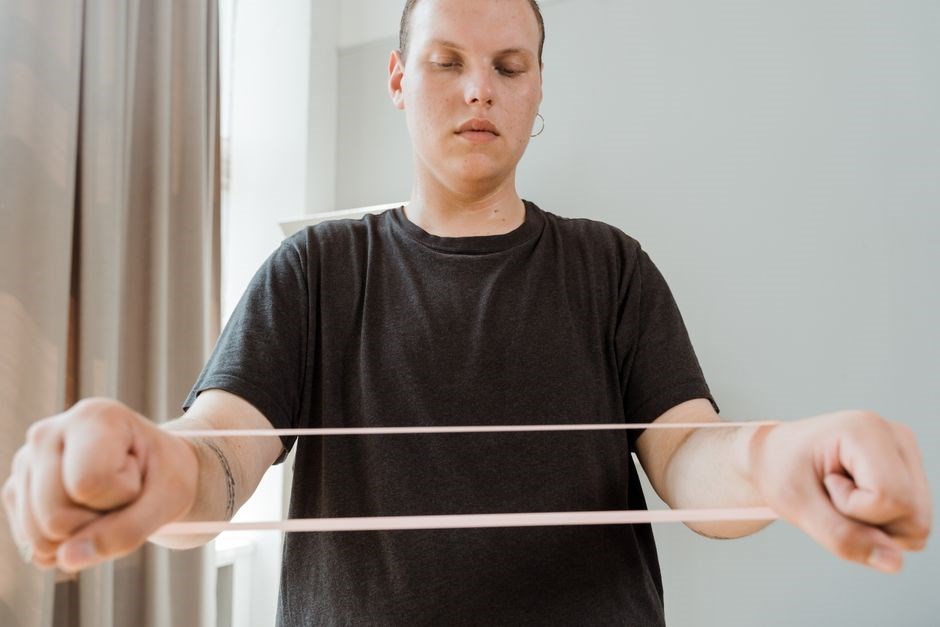
- Band pull‑apart: Hold a light resistance band at shoulder width‚ pull apart until a gentle stretch is felt across the posterior capsule. This activates the rotator cuff and middle trapezius.
- Thoracic rotation with a stick: Place a broomstick or PVC pipe across the shoulders‚ rotate torso side‑to‑side. This encourages thoracic mobility‚ a prerequisite for full shoulder elevation.
- Internal & external rotation with a light dumbbell: Perform controlled rotations at 90° abduction‚ keeping the elbow close to the body. This primes the subscapularis and supraspinatus.
After completing these drills‚ the PDF’s “Phase I” exercises can be introduced. The warm‑up should be repeated before each session to maintain joint health and optimize performance. Consistency in these pre‑exercise movements will translate into smoother ROM gains and a lower risk of impingement or rotator cuff strain. Regular adherence to this protocol not only enhances the effectiveness of the PDF exercises but also builds a foundation of joint resilience that supports long‑term athletic development and everyday functional tasks.

After completing the PDF’s ROM program‚ a structured cooldown helps consolidate gains and prevent stiffness. Begin with light cardio (e.g.‚ walking) to lower heart rate. Follow with static stretches targeting all shoulder planes: !
- Cross‑body stretch: Bring one arm across the chest‚ use the opposite hand to pull. Hold 30 s per side.
- Posterior stretch: Raise the affected arm behind the head‚ flex elbow to 90°‚ and use the opposite hand to pull. Hold 30 s.
- Sleeper stretch: Lie on the side of the injured shoulder‚ forearm resting on the floor‚ and pull. Hold 30 s.
- Doorway stretch: Place forearms on a doorframe‚ step forward until a mild stretch in the chest and anterior shoulder is felt. Hold 30 s.
Post‑exercise care includes icing the joint for 10–15 minutes if inflammation is present‚ followed by compression wraps to reduce swelling. Apply a heat pack after 48 hours to promote circulation. Incorporate foam rolling of the upper back to alleviate. Consistent adherence to these cooldown protocols‚ as outlined in the PDF‚ ensures joint health‚ reduces delayed onset muscle soreness‚ and supports sustained ROM improvements. Stay!!!!!

Monitoring and Measuring Shoulder ROM
Track progress with goniometers or smartphone apps. Record baseline and final angles. Use landmarks: acromion to humerus. Adjust program when gains plateau or pain appears. Logs aid motivation. Week log.!
Use of Goniometers and Digital Apps for Tracking Progress
Accurate shoulder ROM measurement is vital for tailoring exercise programs and tracking recovery. A calibrated goniometer‚ marked in 0.5° increments‚ provides reliable static data when placed on the lateral epicondyle‚ acromion‚ and humeral head. Consistent placement‚ neutral scapula‚ and the same joint axis ensure repeatability. Digital apps like “Shoulder ROM Tracker” or “PhysioTrack” use camera‑based capture to record dynamic movements‚ generating real‑time angle graphs and flagging deviations beyond user‑defined thresholds. Combining both tools offers precision: the goniometer supplies a gold‑standard reference‚ while the app captures functional motion patterns. Log each session with date‚ dominant arm‚ and pain descriptors. Weekly trend analysis reveals gradual gains or stagnation‚ prompting load or technique adjustments. For athletes‚ linking ROM data to performance metrics such as sprint speed or jump height uncovers biomechanical insights. In rehab‚ clinicians set progressive ROM milestones‚ ensuring gains translate into functional tasks. Sharing data via cloud platforms enables remote monitoring and timely feedback‚ preventing setbacks. Consistent‚ objective tracking turns shoulder ROM exercises from guesswork into evidence‑based practice. Use these measurements to tailor rehab protocols.
Interpreting ROM Data for Program Adjustments
When you have a series ROM measurements‚ the first step is to establish and identify. A difference of more than 10° between sides typically signals that be addressed before progressing load. Use the trend line to spot plateaus: if the angle stops increasing over three consecutive sessions‚ consider adding a mobility‑focused accessory exercise or adjusting the tempo. Map each joint angle to a specific exercise phase: for example‚ a shoulder flexion below 150° suggests limiting the range in the overhead press until the deficit improves. Integrate the data into a color‑coded chart—green for acceptable‚ yellow for caution‚ red for red‑flag—to guide daily choices; When the ROM reaches 95% of the normative value for the individual’s age and sex‚ shift focus from pure mobility to strength and stability‚ adding resisted external rotation or scapular retraction drills. Always cross‑reference ROM with functional tests such as the wall‑slide or Y‑test; congruent improvements confirm that the ROM gains translate into joint mechanics. Document every adjustment in a logbook‚ again‚ noting the rationale‚ the exercise change‚ and the subsequent ROM response. This evidence‑based cycle ensures that the program evolves with the athlete’s recovery trajectory‚ preventing over‑reliance on subjective feeling alone.